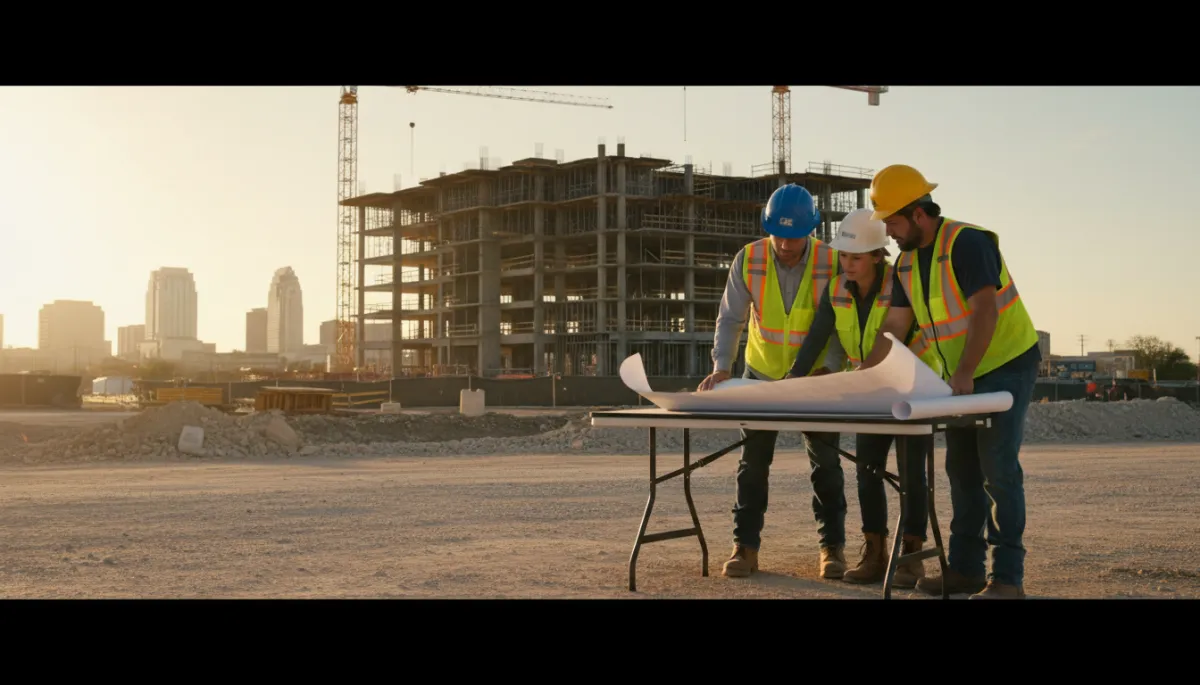
San Antonio Construction: Mid-Term Housing Solutions
Construction Housing, Mid-Term Rentals, San Antonio
How San Antonio Construction Companies Are Solving the Crew Housing Problem
If you’re running work in San Antonio for 30–90+ days, crew housing can quietly wreck your budget, your schedule, and your guys’ morale. Here’s how local contractors are getting ahead of it with furnished mid-term housing instead of burning money on hotels.
1. The Real Cost and Chaos of Hotel-Based Crew Housing
On paper, hotels feel “easy.” One phone call, a block of rooms, done. But once your project runs past a couple of weeks, the hidden costs start to chew through your profit and your patience.
You’ve probably lived some of this already:
Late check-outs and early check-ins: Crews finishing night work at 6 a.m. and getting kicked out at 11 a.m. because the hotel “can’t extend” the room. Guys napping in trucks before the next shift. Productivity tanks, safety risk climbs.
Shared bathrooms and zero personal space: Two to four grown adults crammed into a double-queen room. Gear everywhere. One bathroom. Everyone’s sleep schedule colliding. That “minor” annoyance becomes real friction on-site by week three.
No real food options: Everything is fast food, gas station, or overpriced hotel breakfast. Per diems get blown at drive-thrus. Crews feel lousy and it shows in their work and attitude.
Turnover and “I’m heading home” syndrome: After a few weeks of living out of a suitcase in a noisy hotel, good hands start asking to be rotated out. Now you’re retraining, re-badging, and losing continuity on the job.
None of that shows up on the hotel invoice, but you feel it in overtime, rework, and missed milestones. Crew fatigue is a silent cost center, and hotels pour gasoline on it once you’re in town longer than a couple of weeks.
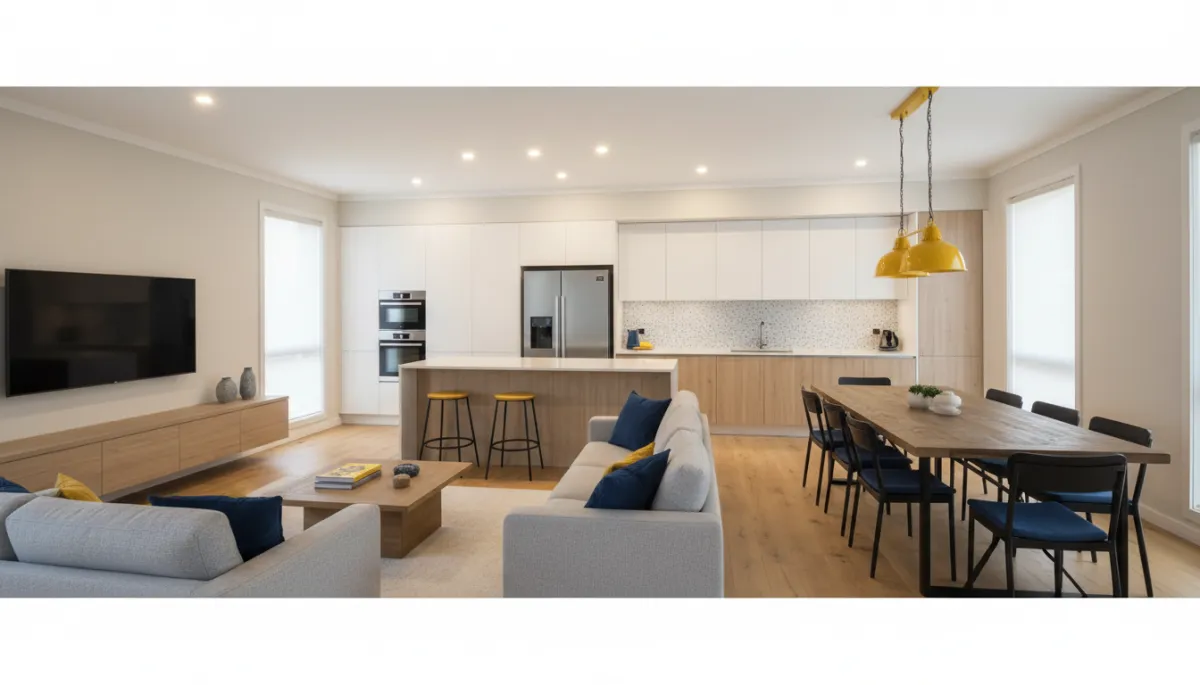
A real living space lets crews decompress so they can actually perform on-site.
2. Why Hotels Break Down After the 2-Week Mark
For a quick punch list or a three-day shutdown, hotels are fine. Once you cross that 14-day line, the wheels start coming off because hotels are built for travelers, not working crews living on-site schedules. The main pain points are predictable:
No kitchen: A mini-fridge and microwave don’t cut it for grown adults burning 3,000+ calories a day. Eating out every meal hammers per diems and health. There’s no way to cook bulk meals or pack decent lunches for the job site.
No in-unit laundry: Crews end up feeding quarters into sketchy laundromats at 10 p.m. after a 12-hour shift, or trying to sync with the hotel’s limited machines. Lost time, lost socks, and a whole lot of frustration. On dirty infrastructure jobs, this adds up fast.
No real workspace: PMs and foremen end up doing RFIs and schedules at the edge of a hotel bed or in the lobby. There’s no table to spread drawings, no quiet corner to jump on a Teams call with the owner, no secure spot for laptops and paperwork.
No privacy: Guys on nights trying to sleep while day-shift roommates are getting ready. Snoring, TV noise, phone calls with family. After two weeks, everyone’s fuse is shorter, and you start seeing it in jobsite conflicts and near-misses.
No per-diem efficiency: You’re paying top dollar for rooms, then still paying full per diems because there’s no way for crews to cook or store food. It’s the worst of both worlds: high lodging cost and high meal cost.
💡 Pro Tip: If your project schedule shows more than 14 nights in-market, you should be running the numbers on furnished monthly housing before you ever book that first room block.
3. What Furnished Monthly Housing Actually Solves
Mid-term furnished housing is built for exactly the kind of work San Antonio is full of right now: 30–90+ day infrastructure, healthcare, and commercial projects with rotating crews. When it’s done right, it fixes the daily friction that kills productivity on long jobs.
Full kitchen: Real stove, oven, full-size fridge, cookware, and dishes. Crews can cook breakfast, pack decent lunches, and eat a normal dinner without living on burgers and burritos. Per diems stretch further, and guys feel human again.
In-unit laundry: Washer and dryer in the house means dirty work gear goes straight into a spin cycle, not into a trash bag in the back of the truck. Less time wasted, better hygiene, and fewer “I had nothing clean” call-outs.
Dedicated workspace and Wi‑Fi: A table or desk, reliable high-speed Wi‑Fi, and enough room to lay out laptops, tablets, and drawings. PMs can close out daily logs, update schedules, and jump on owner calls without balancing a laptop on a nightstand.
Parking that fits reality: Hotels often struggle with work trucks and trailers. A properly selected furnished home gives you driveway and street parking that works for pickups, tool trailers, and sometimes even box trucks—without dinging other guests’ cars at a tight hotel lot.
Real privacy and rest: Multiple bedrooms, more than one bathroom, a living room to spread out. Guys can shut a door, call home, and actually sleep. Well-rested crews make fewer mistakes and move faster the next day.
One simple invoice: Instead of chasing 14 hotel folios and 28 meal receipts, you’ve got one monthly housing invoice that plugs straight into your job cost report. Easier for accounting, easier for audits, and easier for your sanity.
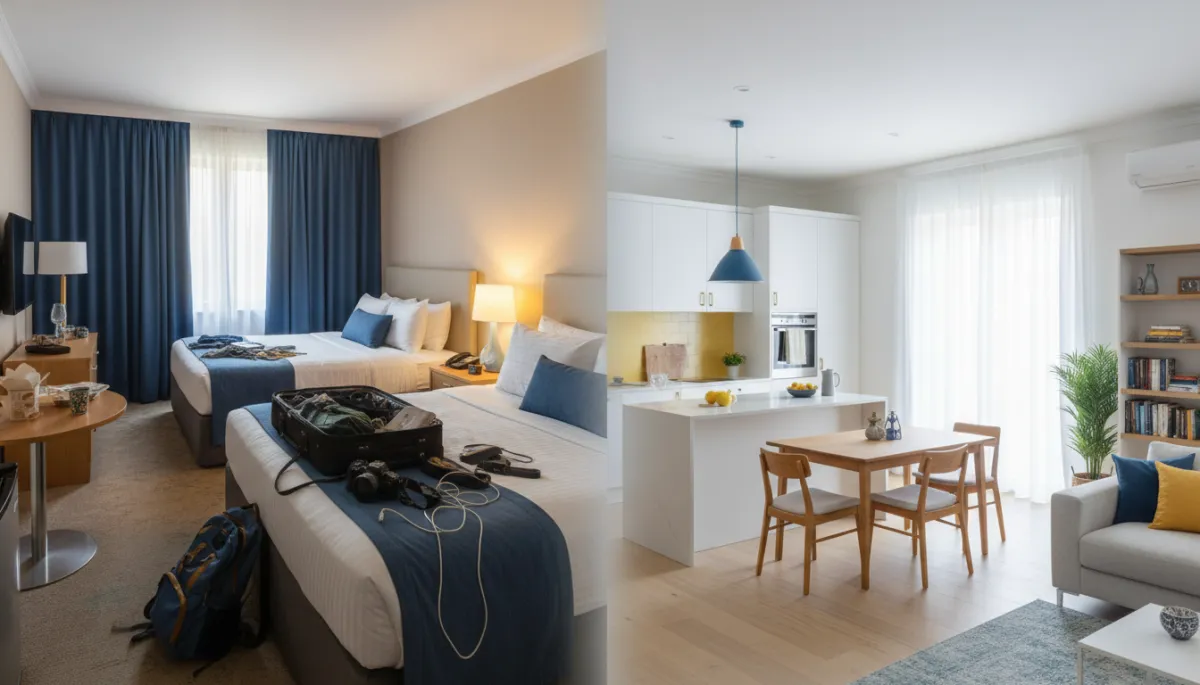
The environment your crew sleeps in shows up in your production numbers.
4. The Math: Hotel Rate × Crew Size × 60 Days vs. Furnished Home
Let’s run a simple, realistic example for San Antonio in 2026. Numbers will vary by brand and season, but the pattern is the same on almost every job we see.
Scenario A: Hotel for a 6-Person Crew, 60 Days
6 crew members, double occupancy = 3 rooms
Average San Antonio mid-range hotel: $140/night after taxes and fees is conservative during busy construction periods
Lodging cost:
$140 × 3 rooms = $420 per night
$420 × 60 nights = $25,200 in hotel spend
Now layer in per diems. With no kitchen, most companies are at $45–$60/day for meals. Let’s use $50/day:
$50 × 6 crew = $300 per day in meals
$300 × 60 days = $18,000 in per diems
Total direct cost for those 60 days in hotels: $25,200 (lodging) + $18,000 (meals) = $43,200.
Scenario B: Furnished Mid-Term Home for the Same Crew, 60 Days
In San Antonio’s mid-term market, data shows average monthly furnished rates around $2,000/month for smaller units, with larger, crew-ready houses commanding more. For a 3–4 bedroom home set up for 6 workers, a realistic project rate might land around $4,000–$4,500/month, depending on location, finishes, and demand.
Let’s use $4,200/month as a realistic example crew house rate.
For 60 days (roughly two months):
$4,200 × 2 = $8,400 in housing cost for all six workers
With a full kitchen, most contractors comfortably trim per diems to $30–$35/day because crews are cooking at home. Using $35/day:
$35 × 6 crew = $210 per day in meals
$210 × 60 days = $12,600 in per diems
Total direct cost for those 60 days in a furnished home: $8,400 (housing) + $12,600 (meals) = $21,000.
📌 Key Takeaway: In this conservative example, furnished housing saves roughly $22,200 over 60 days for a single 6-person crew—before you factor in fewer call-outs, less turnover, and better productivity.
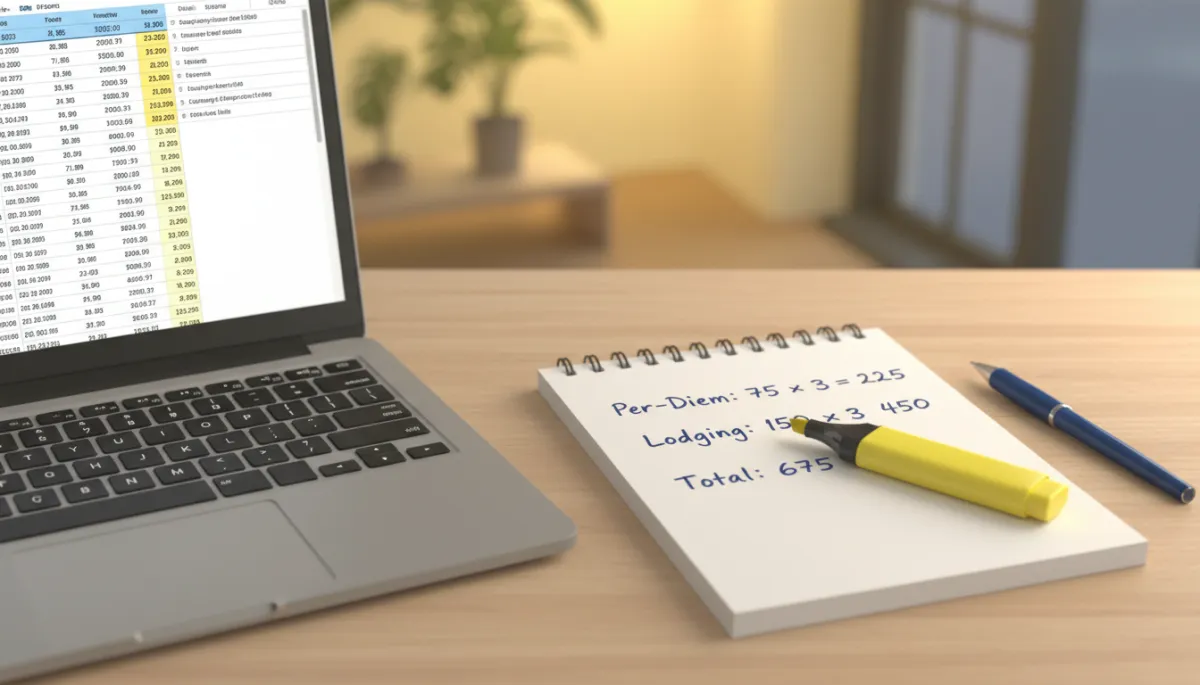
When you run the numbers honestly, hotels rarely win past 2–3 weeks.
5. What to Look For in a Crew Housing Provider
Not all “Airbnb-style” options are created equal. For construction, you’re not booking a weekend getaway—you’re supporting a live project with real deadlines and liquidated damages on the line. Here’s what separates a true crew housing partner from a random host:
Reliability and experience with crews: You want someone who understands shift work, noisy boots, and work trucks—not a host who panics the first time a guy walks in with a tool belt and muddy vest.
Cleanliness and durability: Properties should be professionally cleaned, well-maintained, and outfitted with durable furniture, not fragile décor. Crews need a tough, functional space, not a design showcase that falls apart under real use.
Lease flexibility: Projects slip. Change orders happen. Look for providers comfortable with 30–90+ day stays, extensions, and occasional early wrap-ups without punishing you with rigid long-term leases meant for traditional tenants.
Fast, local responsiveness: If the Wi‑Fi goes down or a washer quits, you can’t wait three days for a response from an out-of-state landlord. You need local support that treats your crew like paying professionals, not an afterthought.
All-in, transparent pricing: Utilities, Wi‑Fi, furnishings, and parking should be baked into a clear monthly rate. No surprise add-ons that blow up your job cost report.
6. Why San Antonio Is a Unique Market Right Now
San Antonio isn’t a sleepy secondary market anymore. The city is in the middle of a serious build-out, and that directly affects how hard it is to find reliable crew housing at a sane price point.
Massive infrastructure work: TxDOT is deep into multi-year projects on Loop 1604, I‑10, I‑35, and US 90, plus the I‑35 Northeast Expansion. These jobs bring in out-of-town crews who all need somewhere to sleep, shower, and park their trucks.
Airport and transit expansion: San Antonio International Airport improvements and new Advanced Rapid Transit lines mean long-running work around the airport and corridors into downtown—again, heavy with traveling trades and subs competing for housing.
Healthcare, residential, and mixed-use growth: From the VIDA master-planned community to hospital expansions and downtown projects like Alamo Plaza improvements, there’s no shortage of cranes in the air. More projects equals more crews chasing the same limited pool of suitable rentals.
At the same time, the mid-term rental market here has its own quirks. There are over a thousand mid-term units in the region, but many investors are struggling with negative cash flow and are not set up to serve crews specifically. That means plenty of “available” units that are actually poor fits for work teams—wrong locations, flimsy furnishings, or owners who don’t understand corporate or construction accounts.
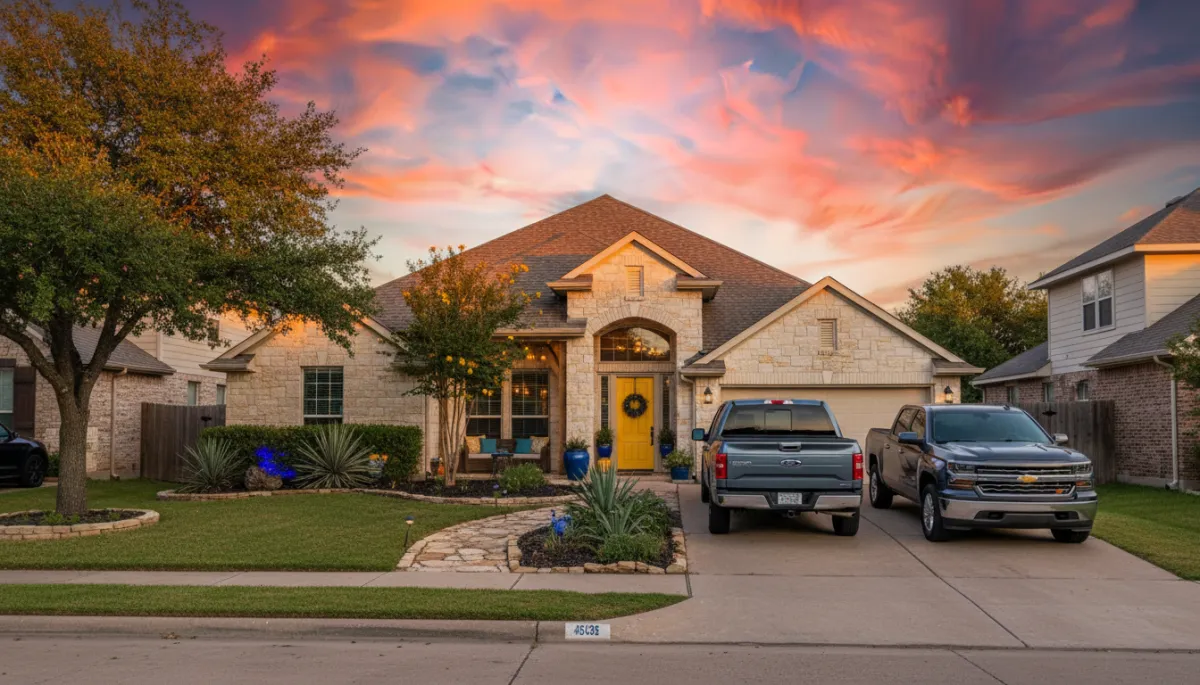
The right house, in the right neighborhood, becomes your crew’s home base.
7. What Legacy Crashpads Offers San Antonio Crews
Legacy Crashpads is a San Antonio-based furnished housing provider that lives in this world every day—hosting military, traveling professionals, and now more and more construction crews working 30–90+ day projects across the metro. We’re local, we know the job sites, and we understand what actually matters when you’re trying to deliver work, not just book a pretty house.
Crew-ready, fully furnished homes: Our properties are set up with full kitchens, in-unit laundry, comfortable living areas, and enough beds to house real crews—not just a couple on vacation. We prioritize layouts that work for shift work and shared living.
Project-friendly terms: Month-to-month and mid-term options that line up with your schedule, not a 12-month lease. We’re used to extensions, early wrap-ups, and staggered crew rotations, and we work with you to keep housing aligned with the job’s reality on the ground.
One point of contact, one invoice: Instead of juggling five different hosts across town, you deal with one team that can place multiple crews, keep them near their job sites, and provide consolidated billing for your accounting department and clients.
Local, responsive support: Because we’re based in San Antonio, issues get handled quickly. If something breaks, we’re not troubleshooting from another time zone. We know the neighborhoods, traffic patterns, and job corridors, and we use that knowledge to place your crews smartly.
Values that align with your brand: Legacy Crashpads donates a portion of proceeds to local domestic violence charities, so your housing dollars also support the community you’re working in—something owners, public agencies, and corporate clients increasingly care about.

Crews that sleep well, eat well, and feel respected stay longer and work better.
Ready to Get Out of the Hotel Business?
If you’ve got upcoming work tied to the I‑10/Loop 1604 interchange, I‑35 expansions, airport improvements, healthcare builds, or any of the other major projects reshaping San Antonio, it’s time to stop treating crew housing as an afterthought. The earlier you plan it, the more you save—and the better your people perform.
Share your scope, headcount, and schedule with Legacy Crashpads, and we’ll help you map out housing that actually supports your project instead of fighting it—whether you’re a GC, a specialty sub, a staffing company, or a corporate housing manager placing multiple crews across town.
Disclaimer: Content published by Legacy Crash Pads is provided for general educational and informational purposes only and should not be considered legal, tax, insurance, real-estate, financial, or other professional advice. Information may change and may not apply to every individual, company, project, insurance claim, military assignment, or housing situation.
Property availability, pricing, amenities, locations, policies, minimum-stay requirements, and housing eligibility are subject to verification and may change without notice. Nothing published on this website constitutes an offer, promise, guarantee of housing, guarantee of results, or contractual commitment.
References to insurance companies, ALE providers, military installations, government agencies, employers, construction companies, staffing companies, or other third parties do not imply affiliation, sponsorship, endorsement, or approval unless expressly stated. Readers should independently verify all information and consult the appropriate qualified professional before making legal, insurance, housing, tax, financial, or business decisions.